
Transport cost and risk transfer are not always the same
A commonly misunderstood point is the difference between who pays for certain transport stages and when risk transfers. The selected Incoterm therefore needs to be read as a whole.
Incoterms define the allocation of certain obligations between seller and buyer in an international transaction. They do not replace the sales contract, but they are essential for understanding who organises what and where risk transfers.
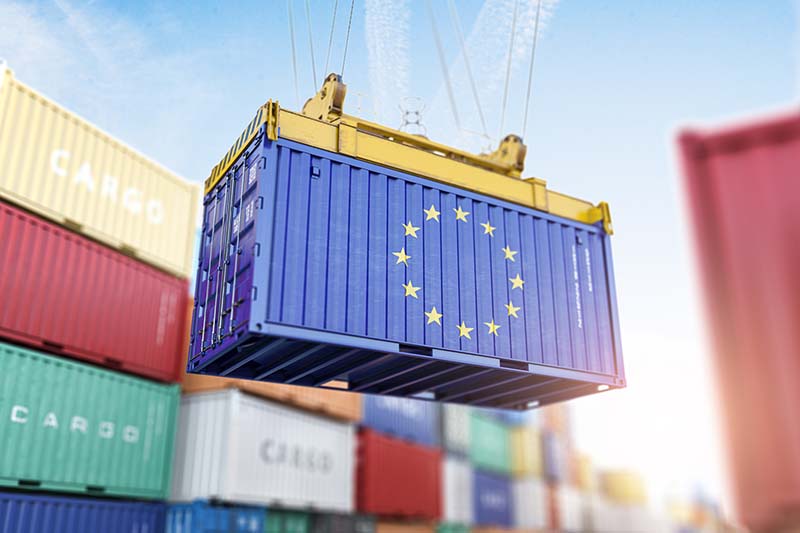
An EXW, FCA, FOB, CIF or DAP price does not include the same services. Comparing offers without considering the Incoterm can make one proposal look cheaper simply because more costs are transferred to the buyer.
A commonly misunderstood point is the difference between who pays for certain transport stages and when risk transfers. The selected Incoterm therefore needs to be read as a whole.
An Incoterm should be associated with a precise location. Writing only “FOB” or “DAP” is incomplete; the named place is needed to understand the seller’s obligation.
An experienced importer may prefer greater transport control. A buyer looking for simplicity may prefer a structure where the seller organises more steps. The right choice depends on the buyer’s organisation and desired control.
This page describes a general commercial approach. Conditions, availability, regulatory requirements and responsibilities must be confirmed for each transaction.
There is no universally best Incoterm. The right choice depends on transport mode, country, buyer experience, desired control and negotiated conditions.
FOB is designed for sea or inland-waterway transport. For other modes, rules such as FCA may be more appropriate depending on the transaction.
No. Incoterms do not determine payment terms, transfer of ownership or all provisions of the sales contract.
Product, format, quantity, frequency and destination: send your specification to Martigane.